Furniture removal FAQs explain what a removal company can take, how pickup works, and what may happen to old items. The final cost depends on furniture size, amount, access, labor, and disposal needs. These furniture removal FAQs can help Morgan Hill homeowners plan a safe pickup and avoid surprises.
Table of Contents
- How much does furniture removal cost?
- What types of furniture can a removal company pick up?
- Can old furniture be donated instead of discarded?
- How quickly can furniture be picked up?
- How should homeowners prepare furniture for removal?
- Can furniture be removed from upstairs rooms or tight spaces?
- What happens to furniture after it is removed?
- Is professional furniture removal safer than moving it yourself?
- How long does furniture removal take?
- How can homeowners choose the right furniture removal company?
- Frequently Asked Questions
How much does furniture removal cost?
Furniture removal costs vary by the size, number, weight, and condition of the items. Access also plays a part. A sofa in a clear first-floor room is often easier than a heavy sleeper sofa in a narrow upstairs hall. Disposal, sorting, special handling, and travel needs may also change the final quote.
Homeowners should ask for a clear quote after sharing the furniture list and pickup location. Photos can help the company understand the work before arrival. The final cost should be confirmed on a quote, not guessed from a general example. Each company sets its own pricing based on the work and disposal process.
What factors affect the cost of removing furniture?
Several details can change the size of a removal job:
- The number and size of the furniture pieces
- The weight and materials of each item
- Stairs, narrow doors, elevators, or long paths
- The need to take apart large furniture
- Donation sorting, recycling, or special disposal
- The labor needed to protect walls and floors
A single chair may need much less work than a full room cleanout. A sectional, mattress, dresser, and dining set need more planning and labor. Furniture with glass, metal, electronics, or built-in parts may also need separate handling.
How does furniture removal compare with renting a truck?
Truck rental may work when a homeowner has help, time, and a safe way to lift large items. It still requires driving, loading, securing, unloading, and finding the right disposal site. The homeowner also takes on the risk of damaging floors, walls, the truck, or personal belongings.
Professional removal may help when furniture is heavy, awkward, upstairs, or part of a larger cleanout. A company can handle lifting and hauling while the homeowner stays out of the loading work. Morgan Hill Junk Removal can help Morgan Hill homeowners compare the amount of furniture, access needs, and time available.
What types of furniture can a removal company pick up?
Most furniture removal companies take common household items. These may include couches, chairs, tables, dressers, bed frames, mattresses, desks, cabinets, and bookcases. A company may also remove patio furniture, office furniture, and large storage pieces. Homeowners should describe unusual items before booking.
Accepted items vary by company and local disposal rules. A responsible service will explain what it can take and what needs another method. This matters for items with chemicals, fuel, refrigerant, sharp parts, or heavy materials.
Common household furniture accepted for removal
Typical household furniture includes:
- Sofas, loveseats, recliners, and sectionals
- Beds, mattresses, box springs, and bed frames
- Dressers, nightstands, desks, and filing cabinets
- Dining tables, chairs, benches, and bar stools
- Bookcases, entertainment centers, and storage cabinets
- Patio chairs, tables, benches, and outdoor storage pieces
A homeowner may also ask about full-service junk removal for several rooms at once. A garage, attic, basement, and living room may be handled during one planned visit. The company should know the full list before arrival. This helps the crew prepare for the right amount of work.
Items that may require special handling
Some furniture may need extra care or may not be accepted. Examples include pieces with pests, furniture contaminated by sewage, items with wet mold, and pieces attached to walls or floors. Large safes, commercial fixtures, and concrete-filled furniture may need special tools.
Appliances are not always treated like furniture. Homeowners asking how to dispose of a refrigerator or how to get rid of a fridge should mention the appliance separately. Refrigerators, freezers, air conditioners, and other cooling units may need special handling because of refrigerant and electrical parts. A company can explain whether it accepts them.
Can old furniture be donated instead of discarded?
Old furniture may be donated when it is clean, safe, complete, and useful. A working table with light wear may be a better donation choice than a broken couch with deep stains. Donation groups set their own rules. Homeowners should check those rules before scheduling a pickup.
A removal company may help sort reusable items from damaged ones. Some services take suitable furniture to a donation partner. Others leave that step to the homeowner. Ask what happens to reusable items and whether the company provides a receipt or record. The group that accepts the item must provide any donation receipt.
When furniture is suitable for donation
Furniture is more likely to qualify when it has no strong odor, major stains, pests, dangerous damage, or missing parts. Cabinets should open safely, tables should stand firmly, and upholstered pieces should be dry and clean. A company may decline items that cannot be carried or used safely.
Homeowners can improve the chance of donation by cleaning surfaces and removing personal items. They should also check for loose hardware. Photos can help a donation group or removal company decide if the piece is suitable. Local rules and donation policies differ, so approval should be confirmed first.
What happens when donation is not an option?
Furniture that cannot be donated may still be sorted for reuse, recycling, material recovery, or disposal. Wood, metal, cardboard, and some plastics may have different handling paths. Upholstered furniture can be harder to recycle because it combines fabric, foam, springs, and frames.
A damaged item should not be left beside a road or placed in a neighbor’s collection area without checking local rules. Illegal dumping can create safety and environmental problems. Morgan Hill Junk Removal can explain the removal process for homeowners and nearby communities.
How quickly can furniture be picked up?
Pickup speed depends on crew availability, job size, location, access, and furniture type. A single curbside item may be easier to schedule than a full home cleanout with stairs and heavy pieces. Some companies offer short scheduling windows. Others arrange a time that fits route planning.
Homeowners should share the complete item list when booking. They should mention stairs, elevators, narrow doors, parking limits, and furniture that needs disassembly. Accurate details help the company plan the right crew. They also help prevent delays on pickup day.
What affects furniture removal scheduling?
Scheduling can change during busy moving seasons, after storms, around holidays, or during large property turnover periods. A property owner preparing a rental may need several rooms cleared. A homeowner may only need one couch removed. The number of items and the distance from the truck also affect planning.
Urgent removal may be possible, but it depends on the local schedule. A company should not promise a time it cannot support. The best approach is to ask about available windows. Explain any deadline, such as a move-out date or home sale preparation.
How to prepare for a convenient pickup window
Homeowners can make pickup easier by confirming the address, parking instructions, item list, and access plan. Furniture should be separated from items that are staying. Pets and children should stay away from the work area while large pieces are carried.
If the furniture is outside, place it where it can stay dry and remain clear of vehicles. If it is inside, open the paths before the crew arrives. Tell the company about elevators, locked gates, shared driveways, or building rules.
How should homeowners prepare furniture for removal?
Homeowners should remove personal items, clear walkways, and tell the crew about fragile surfaces or tight turns. They usually do not need to wrap normal furniture or move heavy pieces alone. The main goal is to make the furniture easy to identify. The path should also be safe to use.
A quick check can prevent lost items. Drawers, shelves, cabinets, and pockets may hold papers, jewelry, tools, toys, or small electronics. Homeowners should inspect every part before the furniture leaves the property.
Steps to clear pathways and access points
The following steps can help prepare a safe route:
- Remove boxes, rugs, toys, plants, and small objects from the path.
- Unlock gates, doors, storage rooms, and building entrances.
- Move vehicles so the removal truck can reach the loading area.
- Keep pets and children away from the active work zone.
- Tell the crew about stairs, low ceilings, weak floors, or narrow turns.
- Keep important furniture separate from items scheduled for removal.
Homeowners should not lift large furniture just to place it outside. A sofa can damage a door frame or cause an injury when moved without enough help. The crew can choose the safest route after seeing the item and property.
What to do with drawers, shelves, and personal items
Drawers should be emptied before removal. Shelves should be checked for loose objects. Cabinets should be opened to make sure nothing remains inside. Homeowners should remove batteries, documents, medicines, food, and small valuables.
If a piece must be taken apart, ask before removing screws or hardware. Some furniture is safer to carry whole. Other pieces need partial disassembly. Keeping hardware in a labeled bag can help when the item is donated or reused.
Can furniture be removed from upstairs rooms or tight spaces?
Yes, many furniture removal crews can handle upstairs rooms, narrow halls, and tight doorways. The crew first checks the route, the furniture shape, and the risk to walls, floors, and doors. Large items may need to be tilted, turned, protected, or taken apart.
A homeowner should share access details before pickup. A second-floor apartment, elevator building, split-level home, or basement entrance may need different planning. Early details help the company bring the right tools. They also allow enough time for careful removal.
How crews handle stairs, narrow hallways, and doorways
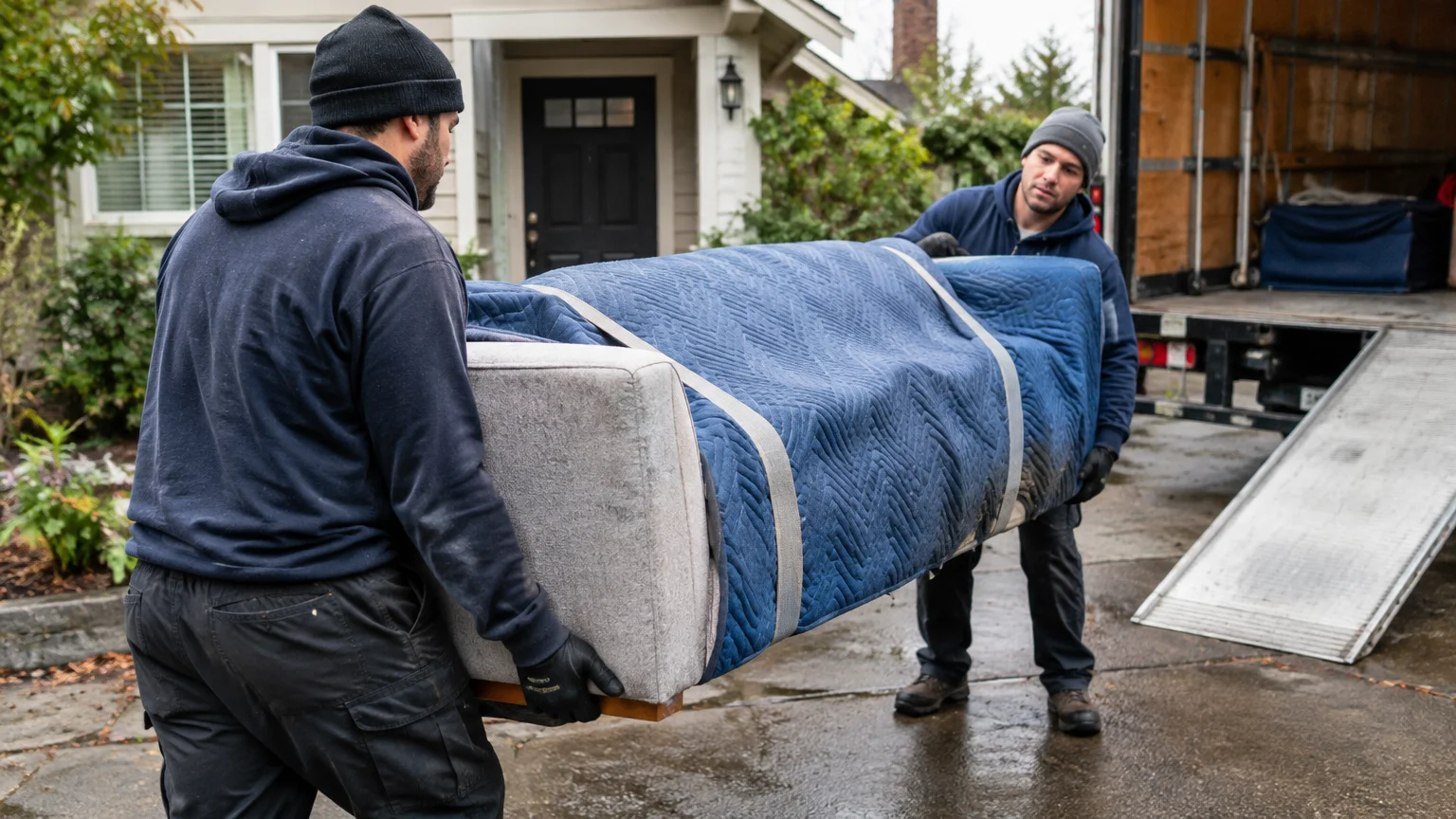
Crews may use moving blankets, straps, dollies, lifting tools, and floor protection. They may move slowly around corners. One person may watch the item while others guide it. Good planning matters more than speed when walls, railings, and floors are close.
The crew may check door width, ceiling height, stair turns, and landing space. A large sectional may need to be separated into sections. A dresser may need its drawers removed. This can reduce weight and make the item easier to control.
When furniture needs to be disassembled
Disassembly helps when a piece cannot pass through a doorway or stair turn safely. Bed frames, tables, desks, shelving units, and some couches may come apart. Built-in cabinets and wall-mounted units may need another professional. Removal can affect wiring, plumbing, drywall, or flooring.
Homeowners should not cut, break, or force furniture through a space. That can damage the property and create sharp edges. The removal company can explain whether it handles basic disassembly. It can also say when another contractor is needed.
What happens to furniture after it is removed?
After removal, furniture may be sorted for donation, reuse, recycling, material recovery, or disposal. The path depends on condition, local facilities, company practices, and material type. A clean table may have a different outcome from a broken upholstered chair.
Homeowners should ask about the company’s sorting process before booking. Responsible removal means more than taking an item away. It also means using suitable disposal channels. It means avoiding illegal dumping.
How reusable items may be sorted
Reusable furniture may be separated from damaged items at the property or a sorting facility. Items in good condition may go to a donation partner, resale outlet, reuse center, or community program. Acceptance depends on the group’s needs and space.
Homeowners who want donation handling should make that request clear. They should also understand that not every item can be accepted. A company should not promise donation for furniture that is unsafe, dirty, infested, or badly damaged.
How damaged furniture is handled responsibly
Damaged furniture may be broken down so wood, metal, foam, and other parts can be handled separately. Some materials may be recovered. Others may go to an approved disposal facility. Local rules may control how mattresses, upholstered pieces, treated wood, and large items are managed.
Homeowners should mention furniture exposed to pests, water damage, chemicals, or sewage. Such items may need special instructions. Keep contaminated furniture away from people and pets until the company explains the next step.
Is professional furniture removal safer than moving it yourself?
Professional furniture removal is often safer for heavy, awkward, oversized, or hard-to-reach items. Homeowners can usually handle simple checks, cleaning, and light sorting themselves. They should avoid moving large furniture alone. This is especially true on stairs or slippery floors.
Furniture can cause back strain, crushed fingers, falls, wall damage, floor scratches, and broken doors. These risks rise when an item has hidden weight, loose parts, glass, or an uneven shape. A trained crew can plan the route. It can also use tools made for bulky items.
Common lifting and property risks
A couch may catch on a doorway. A tall dresser may tip when turned. A mattress can block a person’s view. A glass table can break under pressure. Tight spaces leave little room to correct a mistake.
Homeowners should not lift beyond their ability. They should not ask children to help with heavy furniture. They should avoid tying large items to a personal vehicle without proper equipment. If a piece is unstable, damaged, or unusually heavy, professional help is safer.
Why proper equipment and planning matter
Removal crews may use dollies, straps, ramps, blankets, gloves, and other tools. Equipment alone does not prevent every problem. It helps when paired with a clear plan. The crew can choose a route, protect surfaces, and decide whether disassembly is needed.
A homeowner does not need a professional for every task. Wiping furniture, removing personal items, measuring a doorway, and clearing a path are usually safe DIY steps. Heavy lifting, awkward stair work, and furniture with dangerous damage are better left to trained workers.
How long does furniture removal take?
A single furniture pickup may take less time than a multi-room cleanout. The exact time depends on access, item size, crew needs, and disposal planning. Clear paths and accurate details can help the visit run smoothly. Difficult stairs, long carries, and disassembly can add work.
Homeowners should allow enough time for safe loading. The crew should not rush. Careful removal protects the home and the furniture that remains. The company can give a better time estimate after learning what must be removed.
What determines the length of a pickup
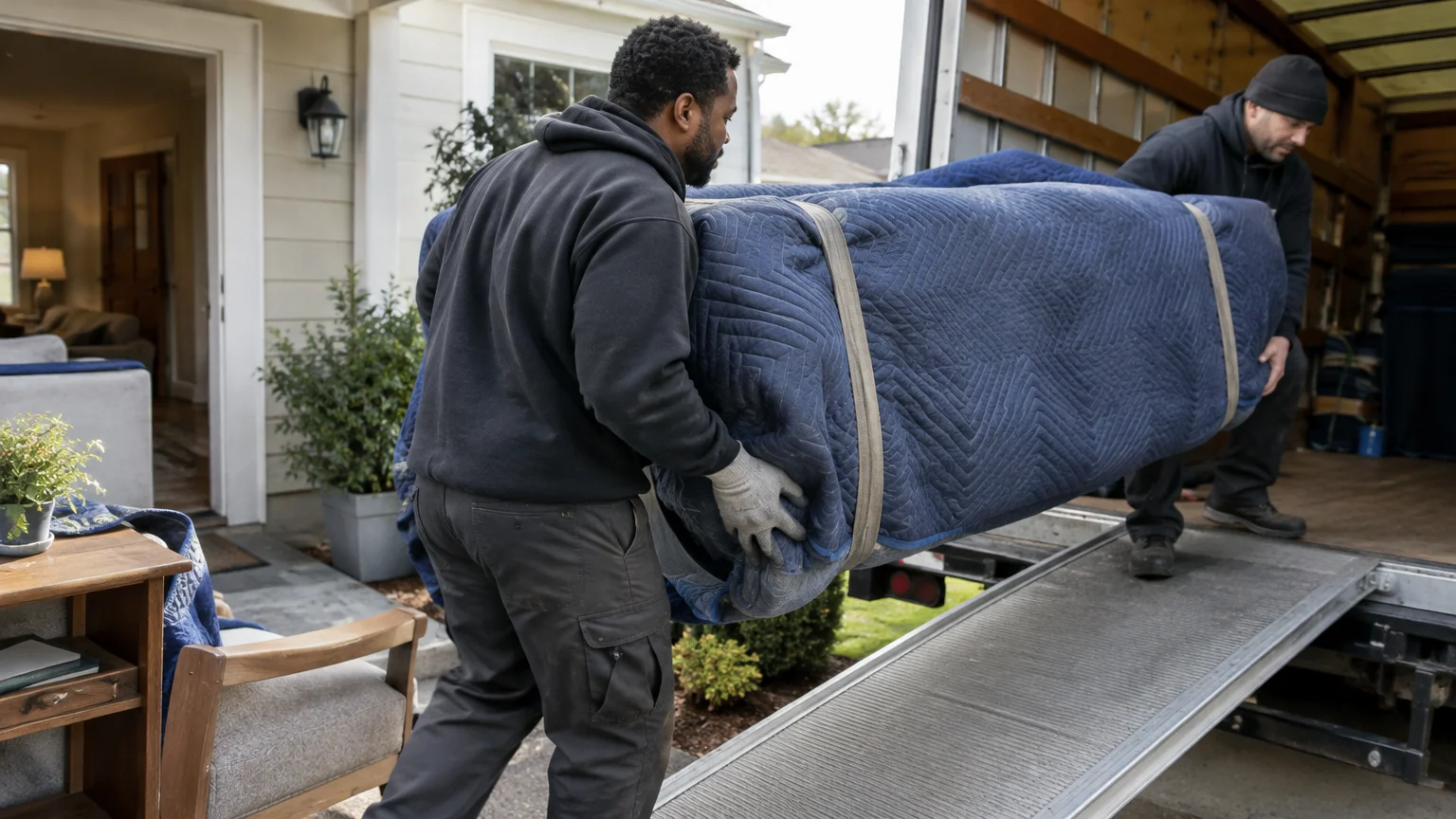
The main factors include the number of items, their weight, their location, and the distance to the truck. A curbside chair may be quick to load. A sectional from a basement may need more steps, more people, and more care.
The crew may also need to sort items or separate materials. Parking far from the home, building rules, elevator waits, and locked access points can add time. Homeowners should share these details when arranging service.
How larger cleanouts differ from single-item removal
A single-item pickup focuses on one piece and one route. A home cleanout may include furniture, boxes, appliances, yard items, and household junk. The company may work room by room. It may keep donation items separate from disposal items.
Garage, attic, and basement removal in one trip may be possible when the company has the right crew and truck space. The homeowner should list every area and major item before booking. This helps avoid an incomplete visit or another appointment.
How can homeowners choose the right furniture removal company?
Homeowners should choose a company that explains its process, accepted items, access needs, donation options, and final quote clearly. A local service should understand the homes, roads, disposal facilities, and building types in the area. Reviews can help. Direct questions matter too.
Morgan Hill Junk Removal serves homeowners and property owners who need help with bulky household items and nearby communities. Its service area includes Downtown Morgan Hill, Jackson Oaks, Gilroy, San Martin, Coyote, Hollister, and other nearby places. A clear talk before pickup helps both sides understand the work.
Questions to ask before booking a pickup
Homeowners can ask:
- Does the company accept each listed furniture item?
- Can the crew remove items from stairs, basements, or upper floors?
- Does the company sort suitable items for donation or reuse?
- Are appliances or mattresses handled separately from furniture?
- What access details should the homeowner provide?
- When is the final cost confirmed on a quote?
- What happens to furniture that cannot be donated?
A trustworthy company should answer plainly and avoid vague promises. It should explain limits before the crew arrives. Homeowners should be careful when a service cannot describe its disposal process. They should also be cautious when it will not discuss access needs.
What to look for in a responsible local service
Look for clear communication, safe work habits, suitable equipment, and a plan for reuse or disposal. The company should protect the property. It should treat workers, residents, and donated items with care. It should also follow local rules for household waste.
A good fit depends on the job. One company may focus on single-item pickups. Another may handle full-service household junk removal. Homeowners in Morgan Hill can compare the service scope, scheduling process, and written quote before choosing a provider.
Frequently Asked Questions
How can someone get rid of old furniture?
A homeowner can donate clean, safe furniture, sell it, give it away, use a local collection program, or hire a removal company. The best choice depends on the item’s condition, size, and location. Furniture with pests, major damage, or contamination should not be donated without approval.
How should someone dispose of a refrigerator?
A refrigerator may need special handling because it contains electrical parts and refrigerant. Homeowners should not cut lines, remove refrigerant, or leave the appliance beside a road without checking local rules. A qualified disposal provider can explain whether it accepts refrigerators. It can also explain how the unit will be handled.
Can a removal company take furniture from a garage, attic, and basement?
Many full-service companies can clear several areas during one visit. The homeowner should confirm this before booking. The company needs the item list, access details, stairs, parking information, and safety concerns. Large cleanouts may need more planning than one furniture pickup.
How can someone dispose of concrete chunks from old furniture work?
Concrete chunks should be kept apart from normal household junk. They are heavy and may need a truck, tools, and a facility that accepts masonry or building debris. Homeowners should describe the amount and size before pickup. They should not place concrete in bags or lift it alone.
Is hiring a local furniture removal company better than moving furniture alone?
Professional help may be safer for heavy, bulky, upstairs, or awkward furniture. A homeowner can often handle light cleaning and sorting without help. When lifting could cause injury or property damage, a trained crew with the right tools is usually the better choice.
Key takeaways
- Furniture removal costs depend on size, amount, access, labor, and disposal needs.
- Clean and safe furniture may qualify for donation or reuse.
- Homeowners should clear paths and remove personal items before pickup.
- Heavy, awkward, upstairs, and damaged furniture can create lifting risks.
- A responsible local company explains accepted items, timing, safety, and disposal.
Conclusion
Furniture removal is easier when homeowners know what the crew can take, how items may be handled, and which access details matter. Simple cleaning and sorting can be done at home. Heavy lifting and difficult removal are safer for trained workers. Clear information helps keep the pickup safe and organized.
Contact us to arrange furniture removal with Morgan Hill Junk Removal.