Looking for a straightforward way to get a bulky sofa out of your space in Morgan Hill? Couch removal services provide trained crews who come to your home or office, lift and load the couch safely, and route it for donation, recycling, or compliant disposal based on condition and local rules. In simple terms, a professional team handles the planning, heavy lifting, and drop-off so you do not have to.
Key Takeaways
- Couch removal services include labor, loading, transport, and routing for donation, recycling, or disposal.
- You can choose curbside or in-home pickup; a little prep (measurements, clear pathways, parking) goes a long way.
- Costs vary by size, access, and time on site; combining items into one visit often adds efficiency.
- Responsible providers prioritize donation and recycling when items meet standards; landfill is the last resort.
- For Morgan Hill homes and businesses, a local team like Morgan Hill Junk Removal knows area routes, rules, and donation partners.
Have a bulky couch you want gone fast? You are not alone. Many homes and offices outgrow furniture. Big items can be hard to move, hard to donate, and hard to dispose of. That is where couch removal services help. They do the lifting, hauling, and drop-off for you.
Table of Contents
- What Couch Removal Services Include and When to Hire Them
- Step-by-Step Process: From Booking to Curbside or In-Home Pickup
- Pricing Explained: Cost Factors, Estimates, and Ways to Save
- Responsible Disposal: Donation, Recycling, and Landfill Rules
- Safety and Property Protection During Removal
- Residential vs. Commercial Couch Removal Scenarios
- Choosing a Reliable Team: Questions to Ask Before You Book
What Couch Removal Services Include and When to Hire Them
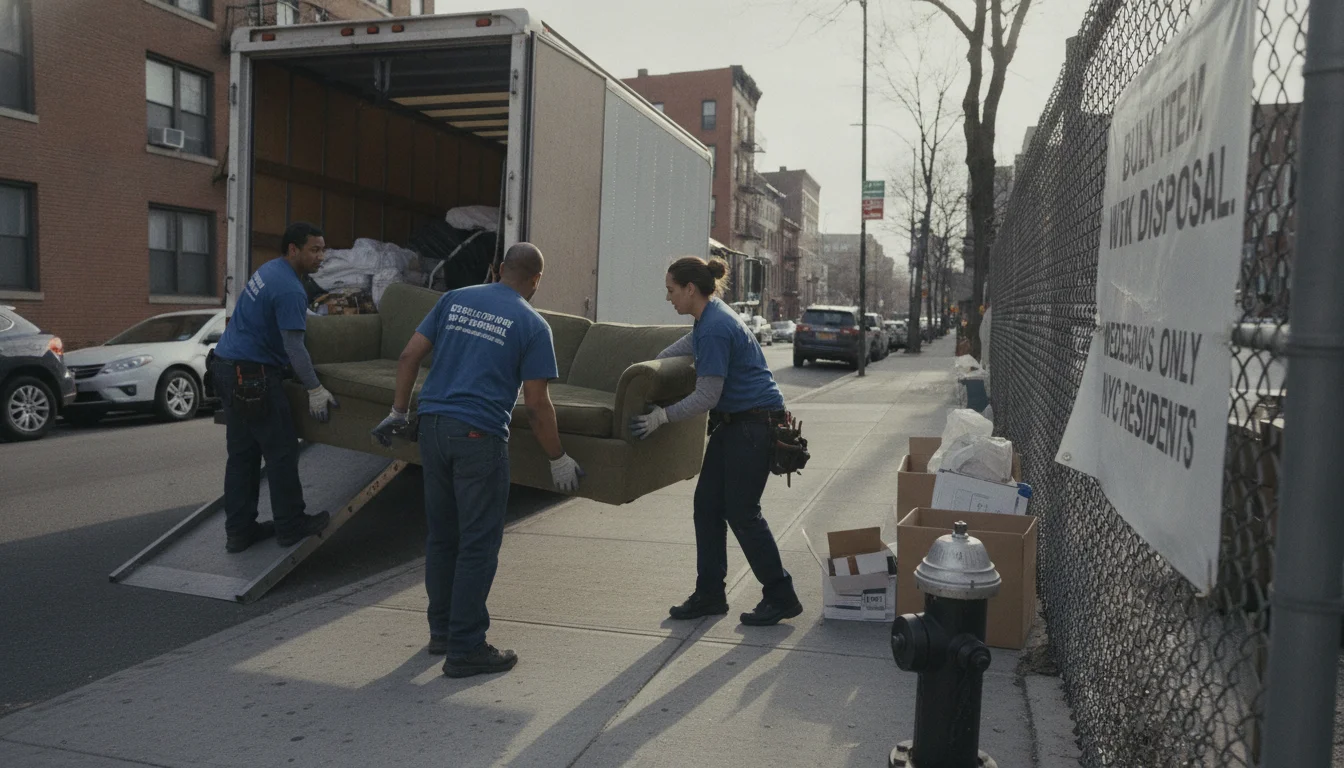
Couch removal services are professional teams that pick up sofas and related seating, remove them from your space, and route them for donation, recycling, or disposal. A couch can mean a sofa, loveseat, sectional, recliner, or sleeper sofa. The service typically includes labor, loading, and transport, with options for either in-home or curbside pickup.
A local team like Morgan Hill Junk Removal works across Morgan Hill every week to remove heavy pieces. Many appointments are for residences, but offices and storefronts call often too. People book during moves, remodels, or when a new couch arrives. Others schedule pickups for estate projects or after water damage — times when a quick haul-away matters.
They handle common items such as sofas, sectionals, sleepers, loveseats, and recliners. Crews can also remove ottomans, side chairs, and end tables when requested. For larger cleanouts, consider Furniture Removal or Commercial Junk Removal. If you have a mattress to go with the couch, ask about Mattress Pickup during the same visit.
You may hire a team when a couch does not fit in a standard vehicle. Stairs, narrow doors, and elevators add risk and complexity. Trained crews bring the right gear and follow safe steps to prevent damage. Municipal guidelines can also limit what can sit at the curb. A service familiar with California and Santa Clara County rules plans the correct disposal route.
Common items handled: sofas, sectionals, sleepers, loveseats, recliners
Large pieces typically require two or more people. Sectionals often come apart into smaller sections. Sleepers are denser because of their metal frames. Recliners have moving parts and can be awkward to maneuver. A trained crew can remove legs or arms when allowed, wrap delicate edges, and load everything securely.
Typical situations: moving, upgrades, estates, renovations, emergencies
Moves and furniture upgrades come with tight timelines. Estate work needs care and coordination. Renovations require open space before the first swing of a hammer. Water damage, pests, or smoke can also force a quick haul-away. In each scenario, a planned pickup reduces stress and keeps schedules on track.
Step-by-Step Process: From Booking to Curbside or In-Home Pickup
A smooth removal follows a simple plan. First, you book a date and pickup window. Then you prepare the space so the crew can get in and out efficiently. On the day, the team arrives, reviews the item and access, and explains the approach. With your go-ahead, they remove and haul away the couch.
Prep is straightforward. Measure doorways and hallways to confirm clearance. Clear a path from the couch to the exit. Move rugs, toys, and decor out of the way. If there are stairs, check handrails for stability. Secure pets safely. If needed, schedule elevator time with your building.
Parking matters. Let the team know about loading zones, garages, gates, or access codes. Share this information when booking so they can plan. For curbside pickup, place the couch in a legal, safe spot accessible to the crew. Curbside means the team will not enter your home.
On pickup day, crews arrive within the scheduled window. They greet you, confirm the list of items, and assess access. They may wrap arms or corners to protect walls and doorframes. If the couch requires partial disassembly, they will handle it. While removals are often quick, staircases, long carries, and tight turns can influence total time on site.
How to prepare: measurements, clear pathways, parking and access
Measure the couch’s length, width, and height. Do the same for doorways, hallways, and stair turns. Clear walkways of small items and fragile decor. Share access details like gate codes or dock locations. Save a nearby parking spot if possible. Good prep prevents delays and protects your space.
What happens on pickup day: arrival window, assessment, haul-away timeline
Expect a brief review of the job on arrival. The crew maps the safest route out of your space. They lift, carry, and load the couch, using pads and blankets where needed. If you also scheduled Appliance Removal or Hot Tub Removal, they will stage the sequence to keep the visit efficient. After loading, some teams perform a light sweep of the area if that service is included.
Pricing Explained: Cost Factors, Estimates, and Ways to Save
Costs vary by item size, access, and time on site. Large and dense couches typically require more labor. Stairs, long carries, and tight corners add time and care. Disassembly may be needed for sectionals or sleepers. Many providers also include a minimum charge to cover the truck and crew.
Volume and weight can affect where the couch goes for drop-off. Some facilities calculate by how much space items take on the truck, while others weigh loads on arrival. If a couch must go to a particular site due to damage or pests, routing changes accordingly. Your team will choose the appropriate path based on local options and rules.
Quotes often begin with photos. Clear pictures help estimate time, space needs, and access. For complex jobs, on-site quotes are common. Transparent quotes explain what is included: labor, loading, transport, and standard disposal. Some bookings may require a deposit to hold a preferred spot or date.
You can help keep the job efficient by preparing well. Move small items out of the path. Confirm elevator availability and parking. If safe, remove legs or cushions ahead of time. Group additional items for the same visit to avoid repeat appointments. If your date is flexible, ask whether different time windows help scheduling.
What drives price: volume, weight, stairs, disassembly, minimums
A large sectional can take significantly more truck space than a standard sofa. Sleepers are heavier due to metal mechanisms. Stairs and narrow turns require extra care and time. Disassembly adds steps. Many services have a minimum to cover crew and transportation costs.
How quotes work: photo estimates vs. on-site, transparent fees, deposits
Photo estimates are fast and effective for straightforward items. On-site quotes work best when access is complex or multi-item. Clear quotes spell out what is included. Ask about any added labor like long carries. Deposits may apply for large jobs or high-demand time slots.
Responsible Disposal: Donation, Recycling, and Landfill Rules
Responsible providers prioritize donation when items are in usable condition. Donation means routing to non-profits that resell or provide items to people who need them. Recycling targets components such as wood, metal, and foam. Landfill remains the last resort when items are not reusable or recyclable.
Providers decide based on condition and local options. Clean, odor-free couches with solid frames are candidates for donation partners. If fabric is torn, stained, or saturated, it often does not meet standards. Some municipalities have strict bulky-waste rules. Crews follow those and the receiving site’s policies.
Donation centers publish what they accept. Many require items to be clean, free of rips, and safe to use. If a couch has bed bugs, strong smoke odor, or mold, it will not be accepted. In those cases, recycling or disposal is used. Ask your team how they route items to minimize waste.
Local landfill and transfer station rules vary. Some sites require proof of residency. Others schedule special bulky-item days. Many cities post “bulk item” steps on their websites. For example, New York City’s sanitation page explains large item set-out rules and size limits for curb service (NYC DSNY large items).
How providers decide between donation, recycling, or disposal
They examine frames, fabric condition, odors, and signs of pests. If the couch meets a donation partner’s standards, they take that route. If not, they look for recycling options. If neither accepts it, they use compliant disposal sites. The overarching goal is to divert reusable materials and reduce landfill use when practical.
Condition standards for donation and what disqualifies a couch
Most charities ask for clean, usable, and safe items. Tears, strong odors, broken frames, and pests disqualify. Goodwill offers published guidelines on acceptable donations (Goodwill donation guidelines). When in doubt, ask your removal team for guidance before pickup day.
Safety and Property Protection During Removal
Safety and property protection come first. Crews bring the right gear and follow a clear process to move heavy items. Two-person lifts distribute weight safely. Furniture blankets help shield walls and doorframes. Dollies and sliders move weight across floors with less strain. Disassembly reduces size and risk in tight spaces.
Teams plan the route before the first lift. They note low light fixtures, narrow halls, and stair turns. They may remove doors when necessary. They pad corners and wrap arms. Hands stay clear of pinch points. These steps protect both people and your property.
Insurance and licensing matter. A certificate of insurance (COI) verifies coverage. Many buildings require a COI before work begins. Licensed haulers follow local transport and disposal rules. Ask for proof prior to booking. Reputable teams provide it on request.
To protect floors, crews may use runners or mats. Grippy gloves help maintain control. During rests, they set the couch down gently. When weather is wet in Morgan Hill, teams adjust to keep floors dry and safe. Good prep and open pathways are big contributors to a smooth day.
Tools and techniques: two-person lifts, dollies, blankets, disassembly
Two-person lifts minimize strain and reduce slips. Dollies carry weight safely over distance. Blankets protect touch points. Disassembly turns one large piece into smaller, easier parts. These simple tactics keep moves steady and careful.
Insurance, licensing, and building requirements to verify
Ask for a COI and confirm policy limits. Verify hauling licenses if your city requires them. Many buildings ask for elevator pads and set move times. Share those rules with your crew so they can plan accordingly.
Residential vs. Commercial Couch Removal Scenarios
Homes and apartments present different challenges. Homes may have more room but often include stairs and tight entries. Apartments can involve elevators, loading docks, and move-in schedules. HOAs set rules on when and where you can stage items. City curb rules may limit set-out times or sizes.
Apartments often require booking an elevator and padding it during the move. A service can provide a COI for management. If you are in an HOA, check bulky-item rules before setting anything out. Many allow scheduled set-outs; some prohibit curb items entirely. Your removal team can advise options in the Morgan Hill area.
For businesses, timing and coordination are essential. Offices and hotels need quick changeovers to reduce downtime. Multi-item projects may require phasing. Crews can clear old seating by floor, wing, or department. They may also work outside regular hours. A brief site walk and plan keep the job on pace.
If your business is replacing many couches, ask about staged pickups. The crew can swap old for new in waves. For other debris, consider Construction Debris Removal. For a full facility refresh, look at Commercial Junk Removal to handle mixed items across departments.
Apartments, HOAs, and municipal curbside restrictions
Check building move windows and elevator reservations. HOAs often set curb rules and fines. Cities set size, weight, and set-out windows for bulky waste. Your crew follows local rules and suggests the best route for approval.
Offices, hospitality, and multi-item or phased projects
Hotels, rentals, and offices rely on tight schedules. Crews can work area by area and keep public paths clear. A basic schedule with dates, floors, and access points helps every stakeholder stay aligned.
Choosing a Reliable Team: Questions to Ask Before You Book
The right crew saves time and stress. Look for clear communication and recent, authentic reviews. Ask how scheduling works for same-day or weekend needs. Confirm they serve your part of Morgan Hill and the wider Morgan Hill area — from Downtown Morgan Hill and Jackson Oaks to Gilroy, San Martin, Coyote, Hollister, and nearby communities. A local team like Morgan Hill Junk Removal knows routes, rules, and donation partners.
Ask about payment methods and what the service includes. Some accept card, cash, or digital payments. Confirm what happens if access is blocked on arrival. Ask how items unfit for donation are handled. Confident, detailed answers indicate a tested process.
It helps to learn who will be on the truck. Trained, uniformed teams are a good signal. Ask how they protect floors and doors. Request a COI if your building requires one. If you want documentation for your files, ask for a disposal or donation receipt.
If you also need yard waste or brush hauled, bring it up early. People often ask where to take tree limbs or stumps. A junk removal team can guide you to city options or help haul them, depending on availability. The same goes for old air conditioners or hot tubs. There is a safe, legal route for each.
Credentials, reviews, scheduling (same-day, weekends), payment options
Check licenses, insurance, and experience level. Read current reviews. Ask about response times for urgent pickups. Confirm payment options. Make sure you know what is included to avoid surprises.
Add-ons to consider: other items, light cleanup, disposal certificates
You can add chairs, tables, or boxes to the same visit. Some teams include light sweeping where the couch sat. Ask for a donation or disposal receipt if you need records.
Frequently Asked Questions
-
How do I get rid of a couch the simple way?
Most people book couch removal services to handle lifting and hauling. You pick a time, clear a path, and a team removes the sofa from your home or curb. They route it to donation, recycling, or disposal based on its condition and local rules in Morgan Hill. -
Can a damaged or stained sofa be donated?
It depends on condition. Many charities accept clean, odor-free, safe items with intact frames. Heavy stains, odors, tears, pests, or water damage often disqualify couches from donation. In those cases, teams direct items to recycling or compliant disposal options. -
Do I need to be home for curbside pickup?
Not always. If curbside is allowed in your area and the item is at the legal set-out spot, many teams can collect without you there. Confirm timing, labeling, and set-out rules with your provider so they can find the item fast. -
What about taking tree limbs, stumps, or other bulky yard waste?
Cities often provide drop-off sites or special pickup days for brush. If you prefer help, ask your junk removal team. They can guide you to local options or add yard waste hauling to your visit, depending on local rules and availability. -
Where can I dispose of a hot tub or old air conditioner near me?
Both items need special handling. A team familiar with Hot Tub Removal and Appliance Removal can haul and route them to approved facilities. They follow local and federal rules for handling parts and refrigerants to keep disposal safe and legal.
Conclusion
You do not have to move a heavy couch by yourself. A trained local team will plan the route, protect your home, and handle donation or disposal the right way. Ready to schedule pickup with Morgan Hill Junk Removal? Contact us.
If you are not sure which of these you are dealing with, it is worth having someone look at it before it turns into a bigger job. Get in touch with Morgan Hill Junk Removal today and we will tell you where you stand.